



Night Driving Vision Problems: 7 Signs You Need an Eye Exam
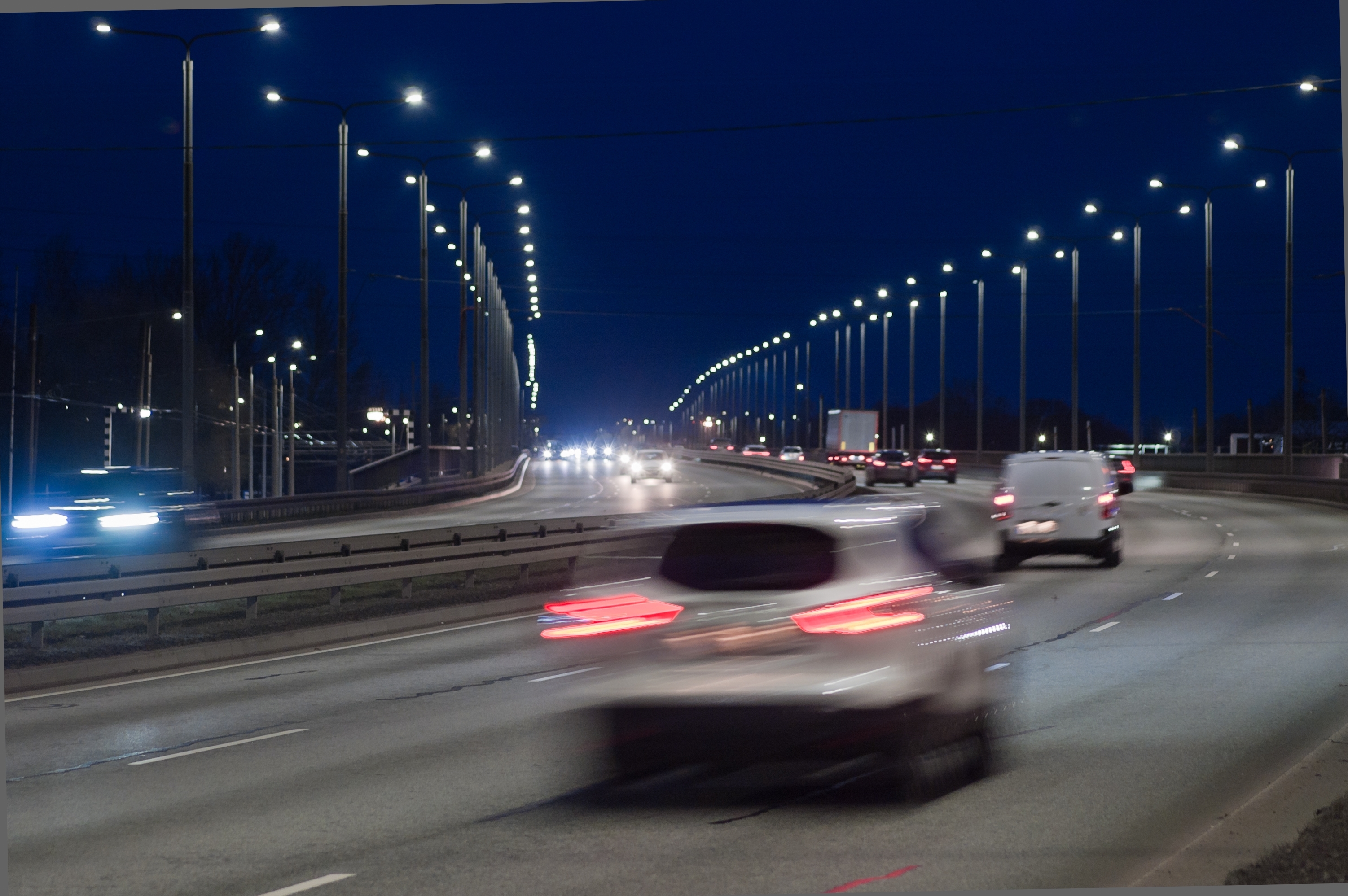
Driving after dark can feel noticeably different from driving during the day. Lower light levels, bright headlights, glare, and reduced contrast can make it harder for your eyes to see details clearly. While some changes in nighttime vision can occur with age, ongoing difficulty driving at night may be a sign that your vision needs attention.
At Ridgeview Eye Care, we can evaluate your eyesight and eye health to determine whether an updated prescription, eye condition, or another vision issue may be contributing to your night driving problems.
Why Is It Harder to See at Night?
Your eyes have to work differently in low-light conditions. Your pupils become larger to allow more light into the eyes, which can make certain refractive errors and visual imperfections more noticeable.
Problems such as nearsightedness, astigmatism, dry eye, cataracts, or an outdated glasses or contact lens prescription can sometimes make nighttime driving more difficult. A comprehensive eye exam can help us identify potential causes rather than simply assuming poor night vision is something you have to live with.
7 Signs It Is Time for an Eye Exam
Consider scheduling an eye exam if you regularly experience:
• Excessive glare from headlights - Oncoming headlights or streetlights seem unusually bright or distracting.
• Halos around lights - Rings or hazy areas appear around headlights, traffic signals, or other light sources.
• Difficulty reading road signs - Signs that are clear during the day become blurry or difficult to read at night.
• Frequent squinting - You find yourself narrowing your eyes to see vehicles, lane markings, or signs more clearly.
• Trouble judging contrast - Pedestrians, curbs, or objects in darker areas seem to blend into the background.
• Slow adjustment to darkness - Your eyes take longer than expected to adjust when moving from a brightly lit area into a darker environment.
• Eye strain or headaches while driving - Your eyes feel tired, uncomfortable, or strained after nighttime trips.
Your Prescription May Need an Update
Even a relatively small change in your prescription can become more noticeable when driving at night. If you have not had an eye exam recently, your current glasses or contact lenses may no longer provide your clearest possible vision.
During a comprehensive eye exam, we assess visual acuity, determine whether your prescription has changed, evaluate how your eyes work together, and examine your overall eye health. This allows us to look beyond the symptoms and determine what may be affecting your vision.
Do Not Ignore Changes in Night Vision
If nighttime driving has gradually become more uncomfortable or you have started avoiding driving after dark, an eye exam can provide important answers. Changes in night vision may develop slowly, making them easy to overlook until they begin interfering with your confidence behind the wheel.
Schedule a comprehensive eye exam with Ridgeview Eye Care to address night driving vision problems, update your prescription, and help you see more clearly and confidently after dark. Contact our office in Olathe, Kansas by calling or texting (913) 261-8327 to book an appointment today. You can also visit our websites, Ridgevieweyecare.com and Kansascontactlens.com, for more information.


MAP


OLATHE LOCATION
Monday 7:00 AM - 6:00 PM
Tuesday 7:00 AM - 6:00 PM
Wednesday 7:00 AM - 6:00 PM
Thursday 7:00 AM - 6:00 PM
Friday 7:00 AM - 4:00 PM
Saturday Closed
Sunday Closed

LENEXA LOCATION
Monday 7:00 AM - 5:00 PM
Tuesday 7:00 AM - 5:00 PM
Wednesday 7:00 AM - 5:00 PM
Thursday 7:00 AM - 5:00 PM
Friday 7:00 AM - 4:00 PM
Saturday Closed
Sunday Closed
Powered by: 
