




How OptiLight IPL Treats Dry Eye at the Source
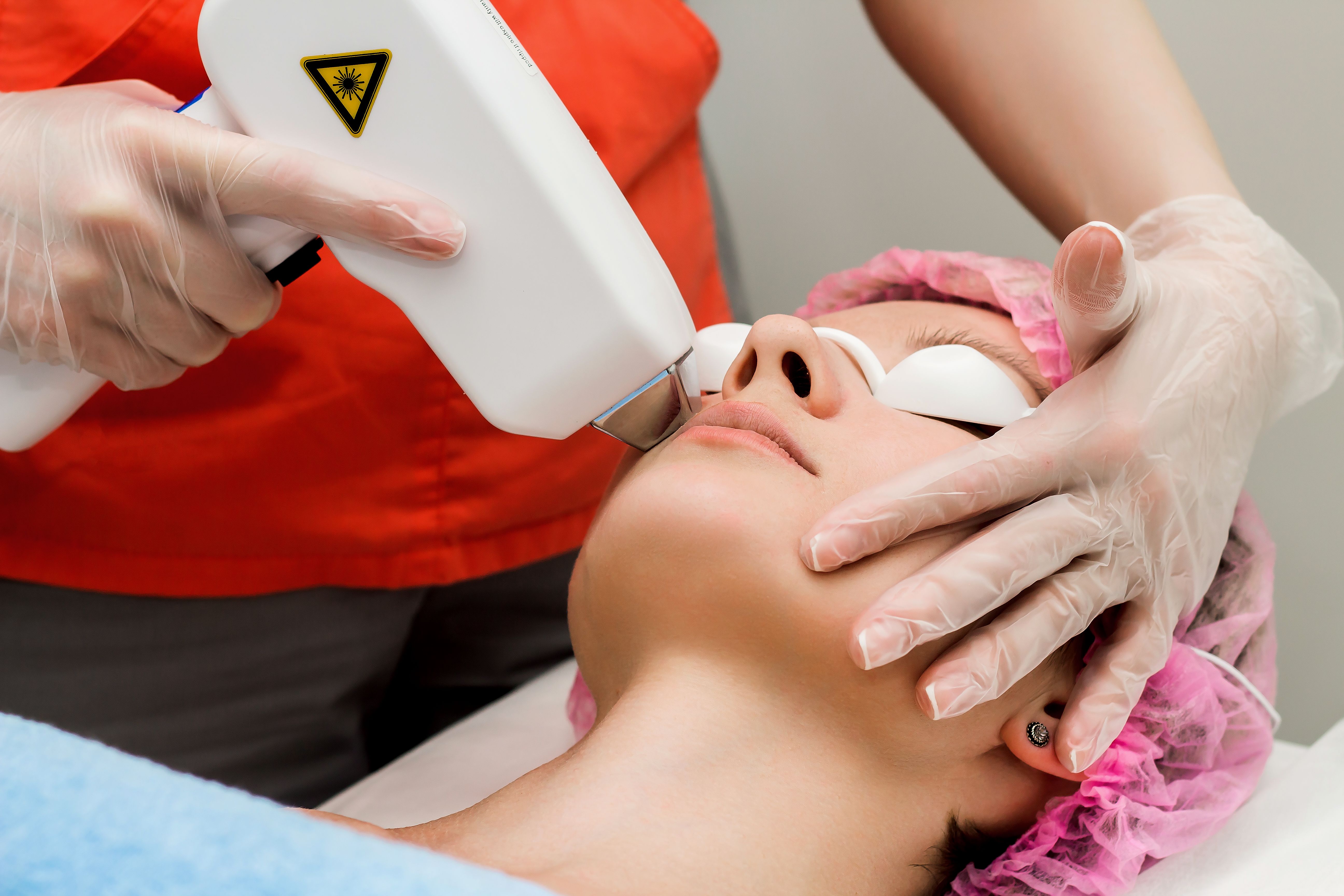
Dry eye is not always caused by a lack of tears alone. For many patients, the real issue begins with inflammation and meibomian gland dysfunction, which affects the oil layer that helps keep tears from evaporating too quickly. When that oil layer is compromised, symptoms like burning, redness, irritation, and blurry vision can become an ongoing problem. OptiLight IPL is designed to address dry eye at the source by targeting inflammation and helping improve the function of the meibomian glands.
Why Dry Eye Often Starts With the Oil Glands
A stable tear film needs the right balance of water, mucus, and oil. The oil layer is especially important because it slows tear evaporation. When the meibomian glands become blocked or inflamed, the tear film becomes unstable. That can lead to burning, blurry vision, watery eyes, light sensitivity, and discomfort with screen time or reading. Because OptiLight IPL targets inflammation and meibomian gland dysfunction, it addresses one of the most common sources of chronic dry eye.
How OptiLight IPL Works
OptiLight IPL uses carefully controlled light pulses applied to the skin around the eyes. This light-based treatment has long been used in dermatology and is now used in eye care to support patients with dry eye disease related to meibomian gland dysfunction. The goal is to reduce inflammation and improve gland function so the eyes can maintain a healthier tear film. Instead of relying only on eye drops for temporary moisture, patients may get longer-lasting relief by improving the conditions that contribute to dry eye in the first place.
What Symptoms It May Help Improve
Patients with dry eye may notice a wide range of symptoms that affect comfort and daily function. OptiLight IPL may be recommended when symptoms are linked to inflammation and poor oil gland performance.
- Burning or stinging eyes
- Redness and irritation
- Grittiness or a sandy sensation
- Fluctuating blurry vision
- Watery eyes caused by poor tear quality
- Eye fatigue during screen use or reading
Why Treating the Source Matters
Temporary treatments can be helpful, but they do not always resolve the reason dry eye keeps returning. Treating the source can make a meaningful difference for patients who have tried artificial tears or other options with limited success. IPL can be a better solution for patients who have used other dry eye treatments without enough relief.
What To Expect After Treatment
After IPL treatment, patients should avoid sunlight for several days and apply sunscreen daily. Ongoing care recommendations may vary based on symptom severity, gland health, and how the eyes respond over time. A dry eye evaluation helps determine whether OptiLight IPL is the right fit and how it may work as part of a broader treatment plan.
Schedule a consultation with Ridgeview Eye Care to learn whether OptiLight IPL is right for your dry eye symptoms. Contact our office in Olathe or Lenexa, Kansas, by calling (913) 261-8327 to book an appointment today.


MAP


OLATHE LOCATION
Monday 7:00 AM - 6:00 PM
Tuesday 7:00 AM - 6:00 PM
Wednesday 7:00 AM - 6:00 PM
Thursday 7:00 AM - 6:00 PM
Friday 7:00 AM - 4:00 PM
Saturday Closed
Sunday Closed

LENEXA LOCATION
Monday 7:00 AM - 5:00 PM
Tuesday 7:00 AM - 5:00 PM
Wednesday 7:00 AM - 5:00 PM
Thursday 7:00 AM - 5:00 PM
Friday 7:00 AM - 4:00 PM
Saturday Closed
Sunday Closed
Powered by: 
